
Plumbing problems can start small but quickly turn into costly headaches if ignored. Knowing when to call a professional plumber is key to protecting your home and wallet. Many plumbing issues show clear signs before they get out of hand. Recognizing these early warning signals will save you time, stress, and money.
Some homeowners try to fix plumbing issues themselves, but tackling the wrong problem can make things worse. A licensed plumber has the right tools and knowledge to diagnose and repair issues correctly. This article highlights 10 signs your plumbing system needs professional attention so you can act fast and avoid major repairs or replacements down the line.
Slow drains often signal a problem. If water takes longer than usual to clear from sinks, tubs, or showers, a partial blockage is forming in your pipes. Hair, grease, soap scum, and other debris can slowly block water flow.
Frequent clogs that come back after using a plunger or drain cleaner suggest a deeper problem. It might be a tough clog deep in the line or pipe damage causing debris to build up. Trying to clear these yourself can push the clog further or harm your pipes.
Plumbers use special tools…
Read more →

Keeping your HVAC system in good shape is key to comfort and energy savings. But many homeowners wonder how often they should schedule maintenance. The right timing depends on your system type, usage, and local climate. Skipping regular checkups can lead to bigger problems, higher bills, and shorter equipment life.
In this article, we’ll break down the factors that affect maintenance frequency and explain what a typical service visit includes. You’ll get clear guidance on when to call a pro and what steps you can take yourself. This advice helps you avoid surprises and keep your HVAC running smoothly.
Regular maintenance helps prevent breakdowns and keeps your system running efficiently. Dust, dirt, and wear build up over time, making your system work harder. Without tune-ups, small problems get worse and can lead to expensive repairs or early replacement.
Maintenance also keeps the air inside your home cleaner. Filters and coils trap debris and allergens. Cleaning and replacing parts lowers dust in the air and improves airflow. A well-kept system means fewer problems and more comfort.
Besides lowering repair costs, maintenance cuts your energy bills. An HVAC system running well uses less power. Over time, those savings add up and help…
Read more →
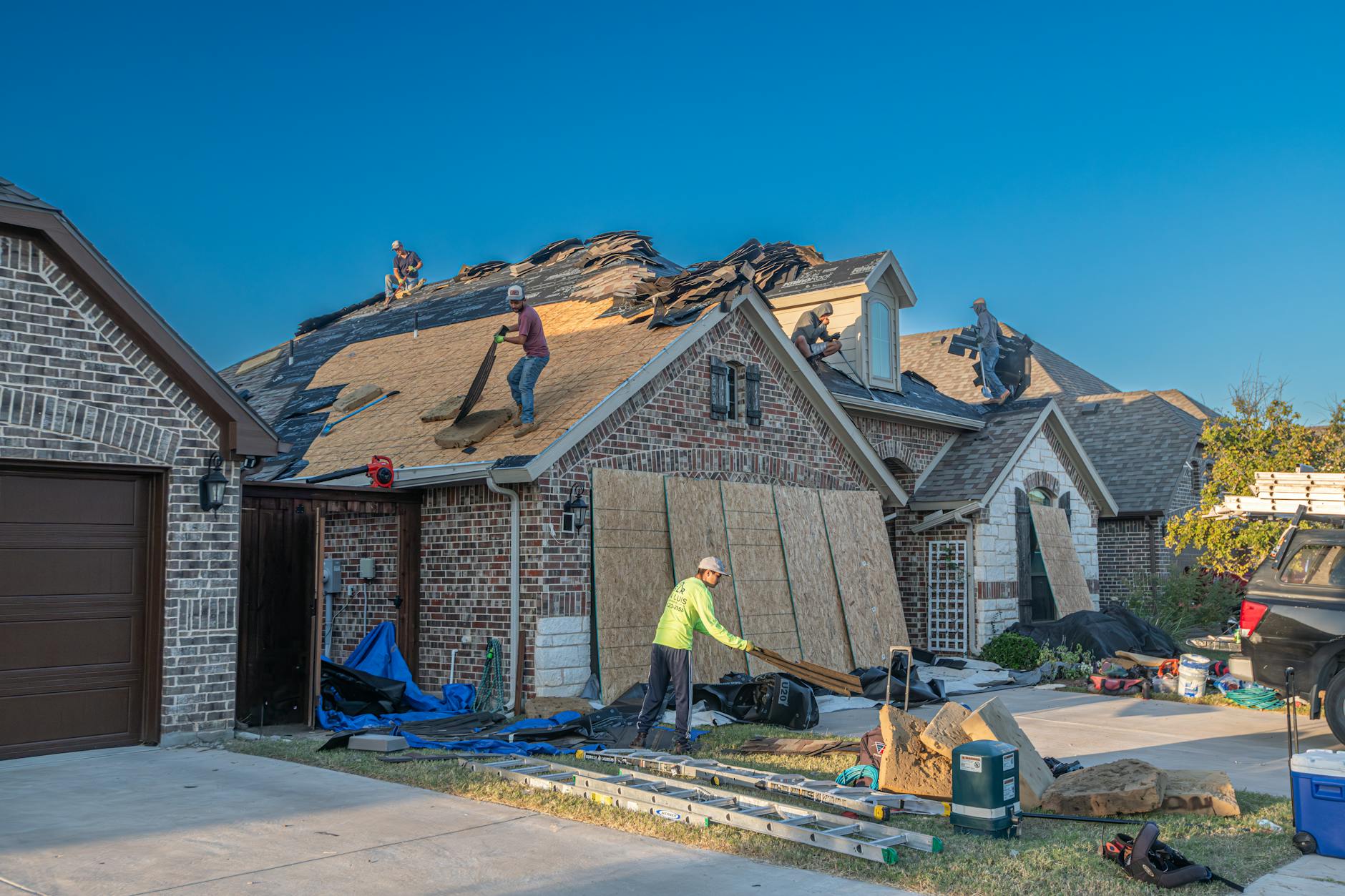
Roof maintenance often gets ignored until a problem shows up. Your roof protects your home from weather, pests, and wear. Knowing common roof issues helps you find problems early before repairs get expensive. Taking care of your roof keeps your home safe and comfortable.
Most roof problems come from age, bad installation, or tough weather. You don't need to climb on the roof or be an expert to spot trouble. Watch for warning signs and schedule inspections when needed. Fixing problems early can add years to your roof's life.
This guide explains common roof problems, how to spot them, and what you can do to protect your home. Knowing these issues helps you make smart decisions and avoid big repair bills.
Shingles cover most roofs and take the hardest hits from sun, wind, snow, and rain. Over time, they crack, curl, or lose granules. This makes them less able to keep water out and protect the roof deck. Asphalt shingles usually last 15 to 30 years, but damage can cut that short.
Shingle damage often comes from poor ventilation, extreme heat or cold, and hail. Hail as small as one inch can dent or crack shingles. Too much sun can…
Read more →

Water damage is one of the most costly and frustrating problems a homeowner can face. It often starts small, with a slow drip or hidden leak. Left unchecked, it can ruin walls, floors, and even the foundation.
Regular plumbing inspections help catch problems early. Fixing issues before they get worse saves you thousands of dollars and weeks of repairs.
Plumbing systems take a lot of wear and tear. Pipes expand and contract with temperature changes. Joints loosen over time. Corrosion happens, especially in older homes with iron or galvanized pipes. A plumber can spot these warning signs during an inspection. They check under sinks, behind walls, and in crawl spaces where damage often hides.
Waiting for a leak to become obvious is a mistake. Water damage not only harms your home but can cause mold growth. Mold can lead to allergies and breathing problems. Cleaning up mold can cost hundreds or even thousands of dollars, depending on how bad it is. Regular inspections help you avoid emergencies and keep your home dry and safe.
A plumbing inspection covers all visible and reachable parts of your home’s water system. The plumber starts by checking the main water line and shut-off valve.…
Read more →

Your roof shields your home from the elements every day, but it often gets overlooked until problems show up. Extending your roof’s life isn’t just about saving money. It’s about protecting your home and avoiding the hassle of unexpected repairs or a full replacement, which can cost between $7,000 and $15,000 depending on the size and materials used.
Taking care of your roof means paying attention to small issues before they grow. You don’t have to be a roofing expert to do this. With some basic knowledge and regular upkeep, you can keep your roof strong for decades, often extending its lifespan by 10 to 15 years beyond the typical expectancy.
One of the best ways to extend your roof’s life is to inspect it regularly. You don’t need to climb up often, but checking your roof at least twice a year is smart. Spring and fall are good times because you can spot damage from winter storms or summer heat.
After winter, look for ice dam damage or loose shingles from heavy snow. In the fall, check for damage from summer sun or wind.
During inspections, check for cracked, loose, or missing shingles, damaged flashing around chimneys and vents,…
Read more →
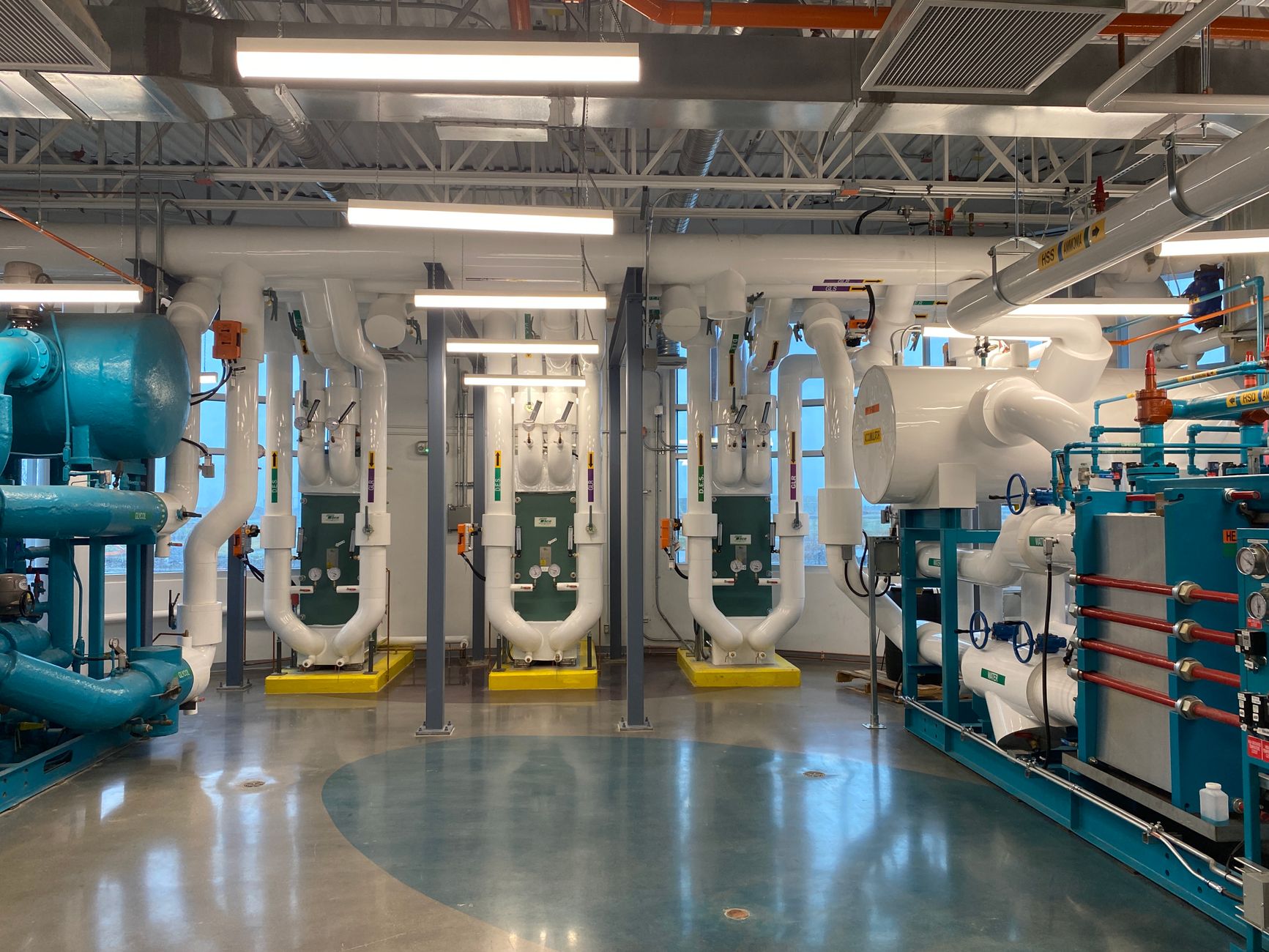
Dirty air filters are a common cause of higher energy bills with your HVAC system. When filters fill with dust, pet hair, pollen, and other debris, airflow drops a lot. This makes your HVAC work harder to push air through the ducts, using more electricity and raising your bills.
Changing or cleaning air filters every 1-3 months helps keep airflow steady and reduces strain on your system. Homes with pets, smokers, or lots of dust may need to change filters every month. Replacement filters usually cost between $10 and $30. Skipping this can lead to bigger problems like overheating or freezing, which often means costly repairs.
Dirty filters also hurt your home's indoor air by letting trapped pollutants recirculate. This can worsen allergies, asthma, and other breathing issues. Keeping filters clean is a simple way to help both your health and your energy costs.
Leaky ductwork is another major cause of wasted energy in HVAC systems. Holes, gaps, or loose joints let heated or cooled air escape into places like attics, basements, or crawl spaces before it reaches your rooms. This makes your system run longer and use more energy.
Duct leaks are common in older homes or where ducts…
Read more →

Emergency plumbing repairs can be expensive and disrupt your daily life. Many emergencies happen because small problems were ignored and got worse. Regular plumbing maintenance helps you catch issues early. This can save you from costly and stressful repairs.
Most homes have plumbing systems working quietly in the background. But when a pipe bursts or a drain clogs, it becomes a crisis that needs quick action. Flooding, water damage, or no hot water are problems you want to avoid. Basic upkeep can protect your home and anyone can do it with some guidance.
These tips cover easy steps you can take yourself or with a plumber’s help. They show you where problems often start, how to spot warning signs, and what to do if you find an issue. Staying on top of your plumbing helps it last longer and keeps repair costs down.
One of the easiest ways to avoid plumbing emergencies is to check your pipes and fixtures often. Look under sinks and around toilets for leaks or damp spots. Even a slow drip wastes water and can damage cabinets, floors, or walls over time.
Check visible pipes for signs of rust, corrosion, or mineral buildup. Older homes with…
Read more →

Deciding between roof repair and roof replacement is one of the toughest choices a homeowner faces. Both options come with costs and benefits that depend on the condition of your roof, the age of your home, and your budget. Knowing when to fix a leak and when to start fresh can keep your home safe and your wallet intact.
Roofs wear down over time from storms, sun exposure, and normal aging. Sometimes a small fix can extend its life by years. Other times, a full replacement is the smarter move to avoid ongoing problems and bigger expenses later on. Understanding the nuances of each option helps you make a decision that balances immediate needs with long-term value.
Spotting early damage helps you decide if repair will work. Look for missing or cracked shingles, small leaks in the attic, or patches of moss and algae. These usually mean damage in one area that doesn’t need a full roof replacement.
A single cracked shingle or a few missing ones can often be fixed without much work. Minor leaks or damaged flashing around chimneys and vents can also be repaired. Flashing is the thin metal that seals roof joints. When it fails, water…
Read more →
Your HVAC system does more than control temperature; it moves air throughout your home. This airflow affects the air you breathe every day. If your HVAC isn’t cleaned and maintained, it can spread dust, allergens, bacteria, and other pollutants instead of filtering them out.
Bad indoor air can cause headaches, tiredness, allergies, and even breathing problems like asthma. The filters in your HVAC catch particles, but they only work well if you keep them clean. The condition of your ducts and vents also affects how well air moves and whether bad stuff gets trapped or spread around your home.
Many people don’t realize how HVAC care affects indoor air. This can lead to breathing recycled, stale air instead of fresh air. Knowing this helps you keep your home healthier and your HVAC working right.
Upgrading your HVAC filters is a simple way to improve indoor air. Basic filters catch bigger particles like dust and lint but miss smaller allergens like pollen, pet dander, mold spores, and some bacteria.
Filters rated MERV 8 to MERV 13 catch more types of particles without blocking airflow too much. For example, MERV 8 traps particles between 3 and 10 microns, while MERV 13 catches…
Read more →

Plumbing leaks are a common problem for homeowners, but many don't spot the cause until damage occurs. Leaks often start as a slow drip and can grow into serious issues that harm your home's structure and raise your water bill.
A drip every second can waste over 3,000 gallons a year. Knowing where leaks usually come from helps you find them early or stop them from starting.
Leaks usually happen because pipes wear out, were installed wrong, or face tough conditions. This article covers common causes and warning signs to watch for. Spotting these helps you keep your plumbing in good shape and avoid big repairs.
Old pipes are a big cause of leaks. Over time, pipes made of galvanized steel or iron can rust, crack, or corrode. This weakens them and makes leaks more likely. Galvanized steel pipes, common before the 1960s, last about 40 to 50 years before corroding. Copper pipes can last up to 70 years if cared for.
Older homes often have plumbing that can't handle modern water pressure or use. Joints and fittings may wear out and leak. Check exposed pipes in basements or crawl spaces for rust, greenish stains on copper, or wet spots.…
Read more →

Roofs protect your entire home, yet the damage they suffer often goes unnoticed until serious problems arise. Hidden damage can lead to leaks, mold growth, and even structural issues that compromise your safety. Because roofs are hard to inspect closely without proper gear and expertise, many homeowners miss early warning signs that could prevent costly repairs.
Ignoring small issues can drive up repair costs dramatically. For example, a few cracked shingles, which can cost around $100 to replace, may seem minor but if left unattended, water can infiltrate and cause rotten decking or damaged rafters. Repairing rotten decking or rafters can easily run into thousands of dollars, not to mention the disruption it causes. Similarly, failing insulation due to moisture intrusion can increase your energy bills by 10-25%, as your HVAC system works harder to maintain indoor temperatures.
Catching problems early is the best way to avoid these setbacks and preserve your home’s value. A timely roof inspection every 1-2 years, plus after major storms, can help you identify issues before they escalate. Understanding what to look for during routine checks can save you time and money. You don’t need to be a roofing expert to catch most signs, but…
Read more →
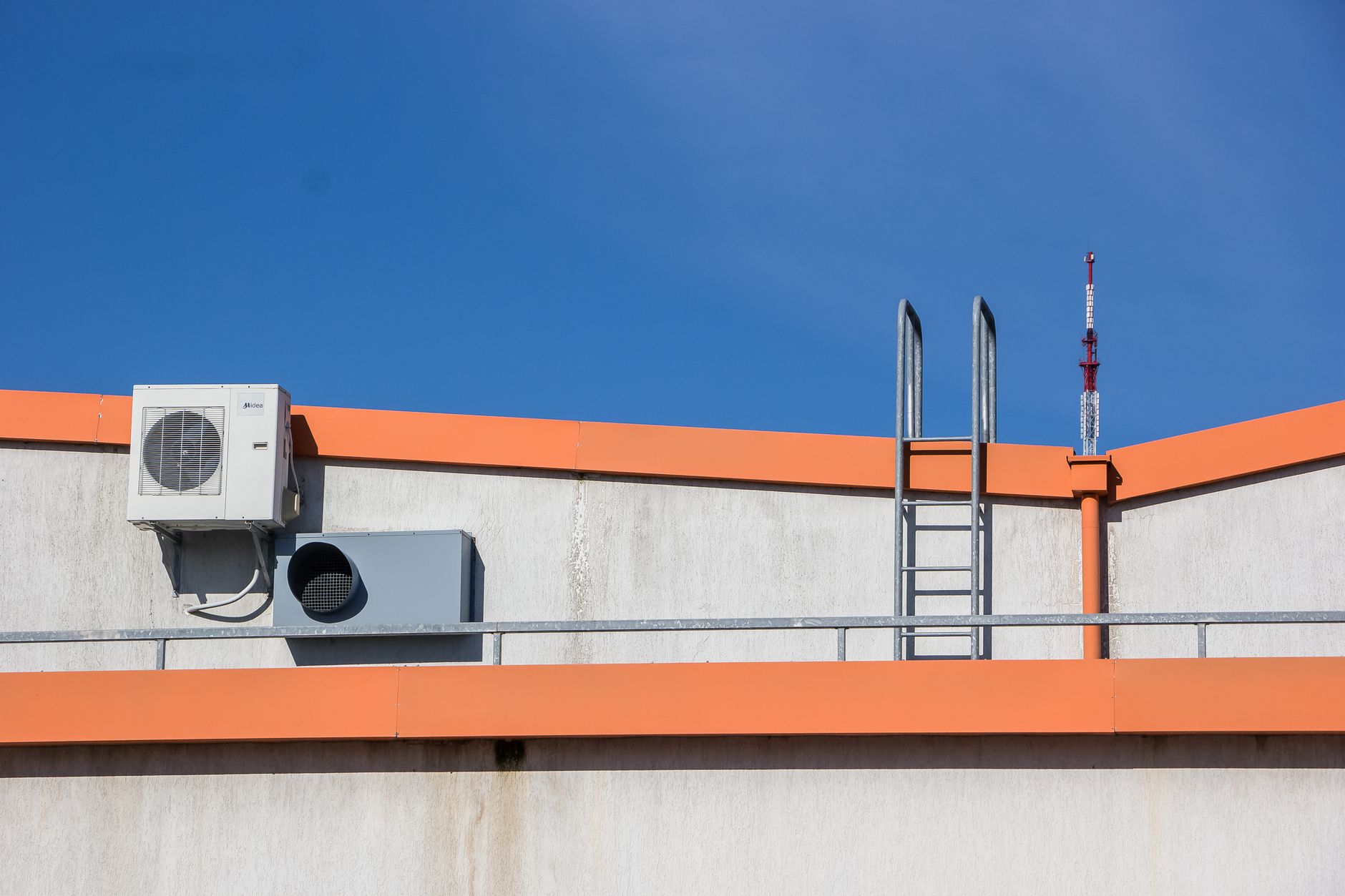
Your HVAC system keeps your home comfortable in hot and cold weather. It includes heating, ventilation, and air conditioning parts that work together to control temperature and air flow. Knowing these parts helps you spot issues early and keep the system running well.
The main parts are the furnace or heat pump for heating, the air conditioner for cooling, ductwork that moves air around your home, and filters that clean the air. Some parts need more frequent care than others. Check your system’s manual for how to operate and maintain it.
Airflow is important. Blocked or leaky ducts lower efficiency and strain your system. Good airflow helps your home heat and cool evenly and can lower energy bills. If you notice uneven temperatures or strange sounds, check your ducts or call a technician.
For example, if your furnace makes 80,000 BTUs but your ducts leak 20%, you lose 16,000 BTUs before the air reaches your rooms. This can add hundreds to your heating costs. Many homeowners seal and insulate ducts to save money and stay comfortable.
Different HVAC types need different care. A heat pump heats and cools by moving heat instead of making it, so it uses less energy…
Read more →
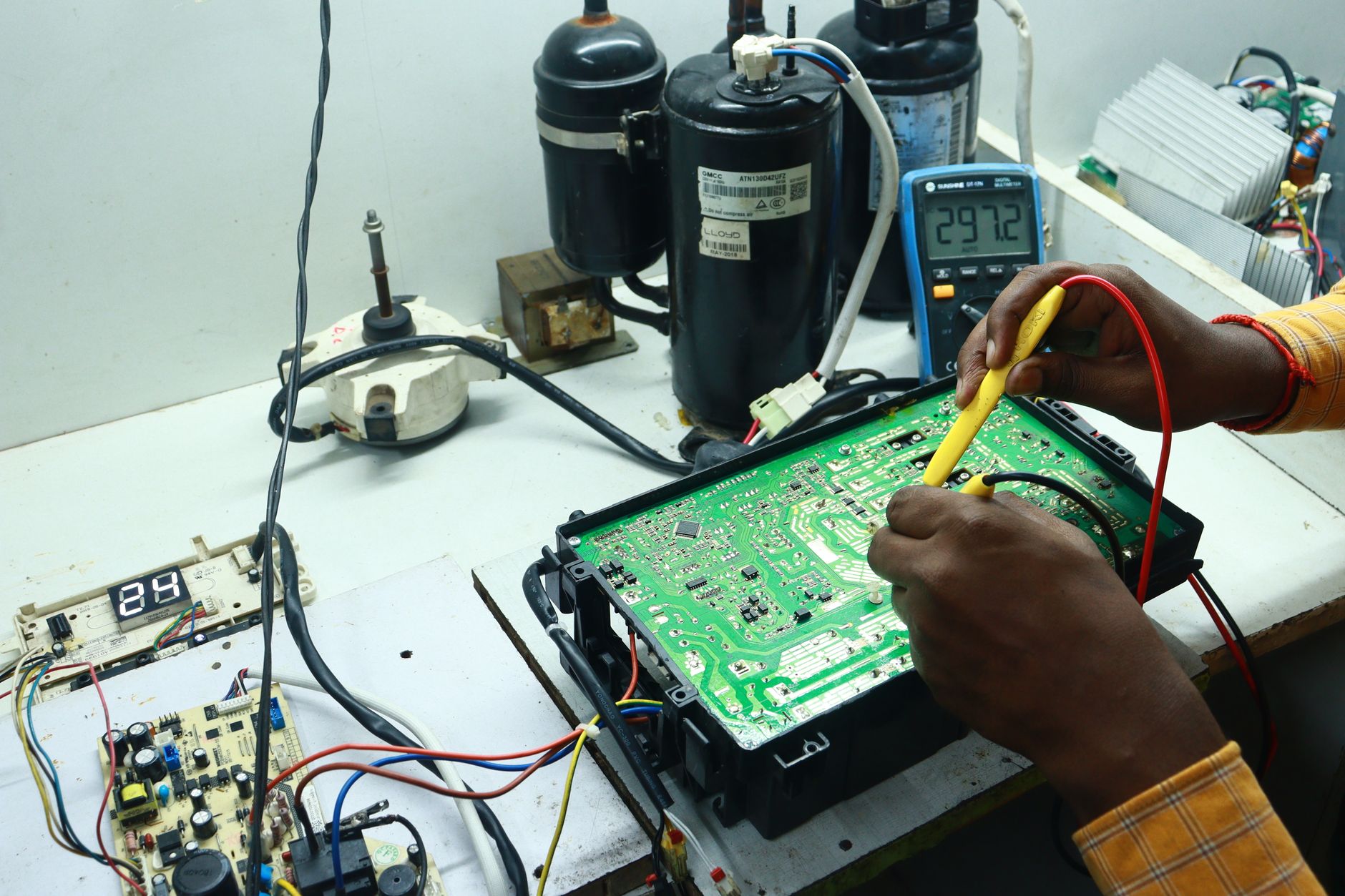
Your air conditioner should turn on and keep your home cool when summer hits. But sometimes, it shows signs it's not working right. Ignoring these signs can lead to bigger repairs or a full system replacement.
Knowing when to call a professional for AC repair can save you money and keep your home comfortable. Many homeowners try to fix minor AC problems themselves, but some issues need expert help. This article covers seven signs your AC needs a professional checkup and repair.
One of the first hints that your AC is struggling is weaker airflow coming from the vents. You might notice the air isn’t as cold or the flow is uneven between rooms. This problem often points to issues with the blower fan, clogged air filters, or blocked ductwork.
Before calling a technician, check and replace your air filters if they look dirty. Filters clogged with dust restrict airflow and overwork your system, sometimes causing it to run longer without effectively cooling your home. For example, a standard fiberglass filter can become ineffective after just 30 days of use in dusty environments, while pleated filters might last up to 90 days. However, if the problem continues despite new filters,…
Read more →
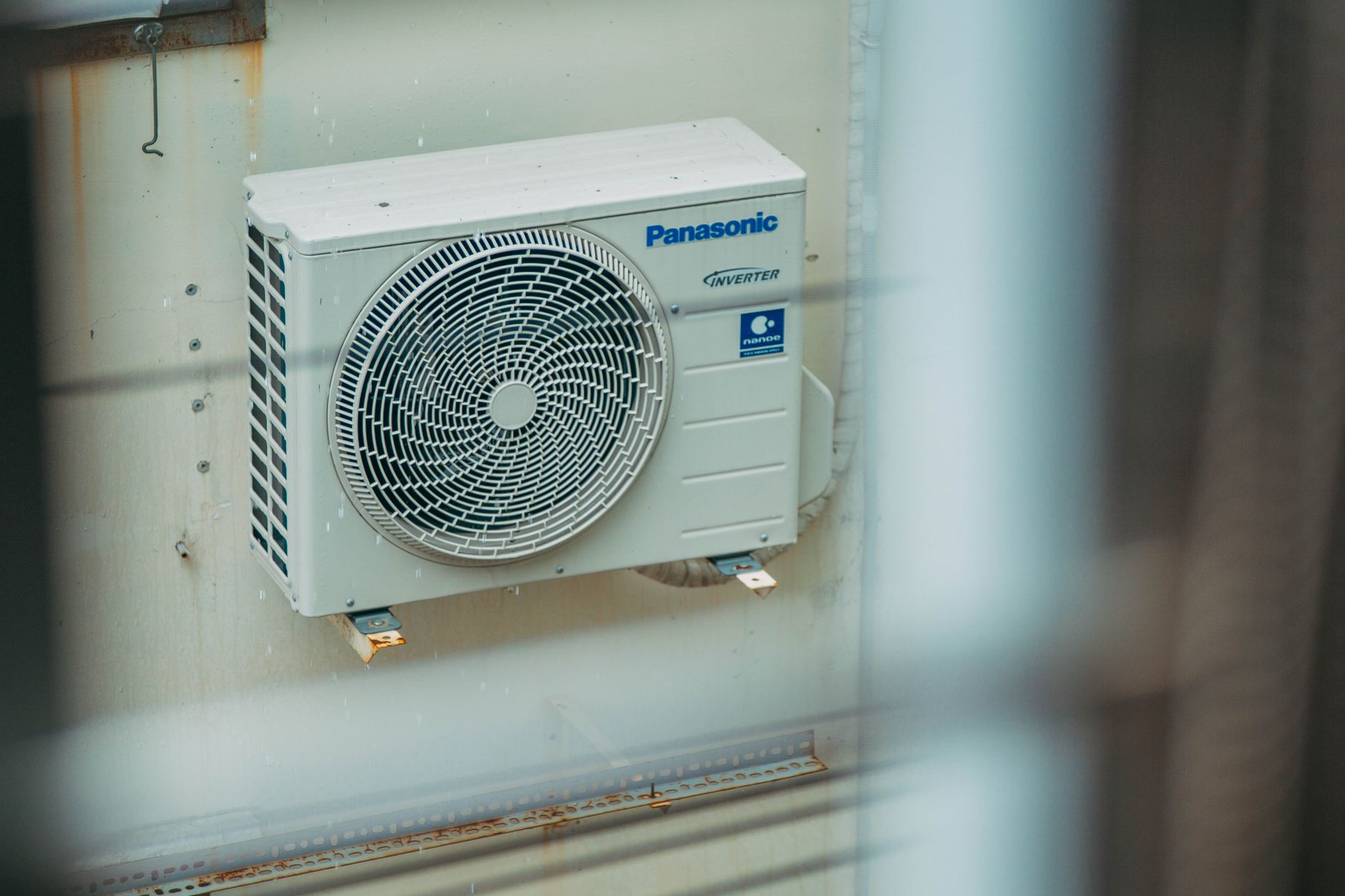
Choosing the right air conditioning system depends on more than just picking a popular model. You need to think about your home's size, insulation, and what keeps you comfortable. A good AC can save money and keep your home cool during the hottest months.
Many people buy an AC based on price or brand without thinking about their home's needs. This often leads to poor cooling, high energy bills, and early breakdowns. Taking time to assess your home and options will help you stay comfortable and save money in the long run.
Before buying an air conditioner, figure out how much cooling your home needs. This is measured in BTUs, which show how much heat the system can remove each hour. A unit with too few BTUs won’t cool well and will run nonstop. A unit that’s too big will turn on and off too often, wasting energy and wearing out parts.
Start by measuring the square footage of the space you want to cool. For example, a 300-square-foot bedroom might need 6,000 BTUs, while a 1,000-square-foot living room might need 24,000 BTUs or more. Ceiling height matters too. Rooms with 10-foot ceilings need more cooling than those with 8-foot…
Read more →